Photography is the second voice of the publication. We commission portraits and observational work – never stock, never AI. Four pillars, four crop ratios, one tonal treatment.
Four pillars
Every commissioned image falls into one of four pillars. If a request doesn’t fit one of these – it’s the wrong request.
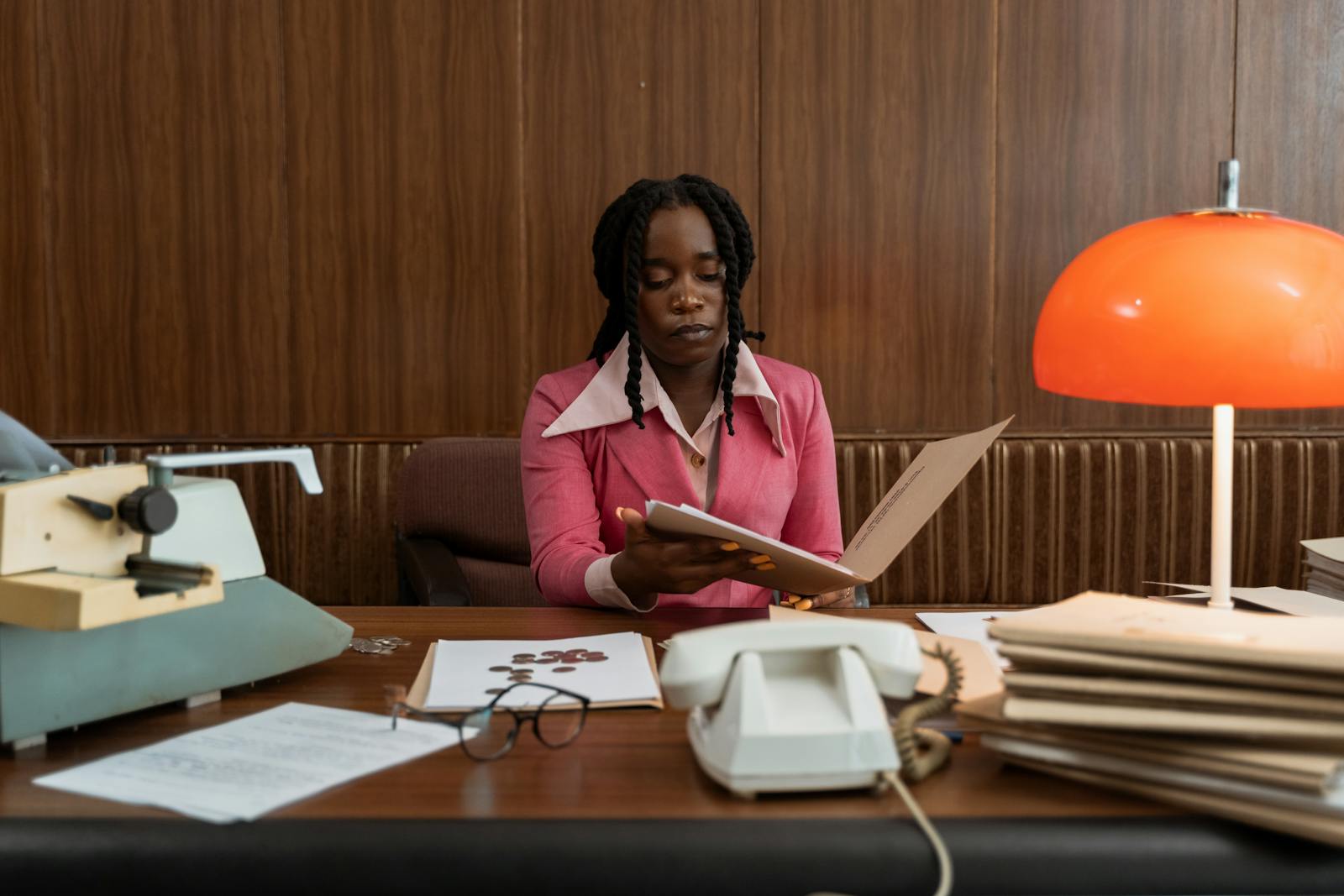 PORTRAIT · subject in environment
Pillar 01
Portraits – subject in environment.
Half-length or three-quarter, eye-line slightly above lens. Shot in the room where the work happens – kitchen tables, hotel lobbies, back offices. Never white seamless. Never on a couch in a sunny window.
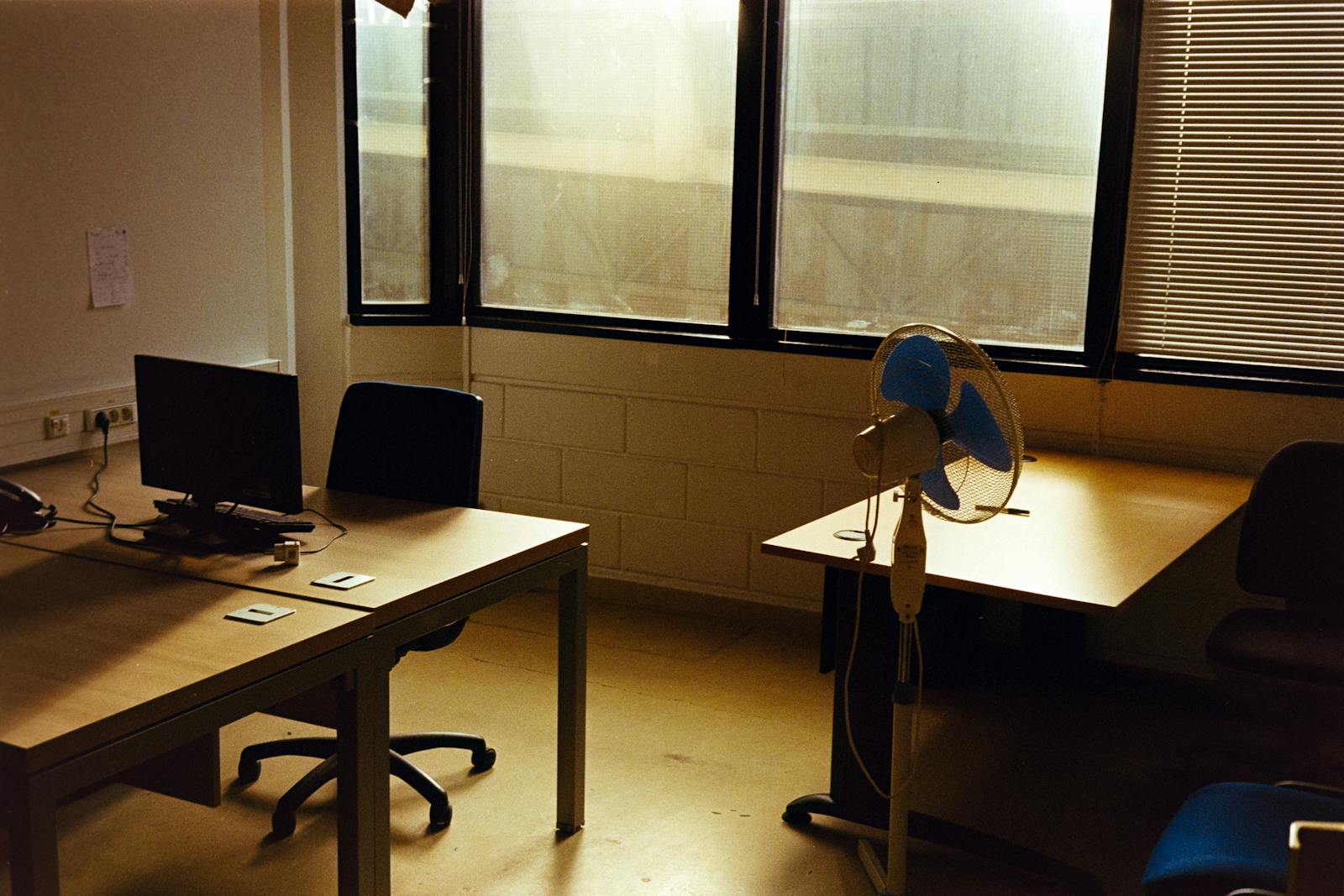 PLACE · location, no people
Pillar 02
Places – where the work happens.
Empty rooms, late afternoon. Architectural interiors, often slightly cluttered. These ground a story in a specific city, a specific building. The composition reads as a stage that has just been left.
 OBJECT · still life
Pillar 03
Objects – the artefacts of the work.
Notebooks, calendars, the things people carry. Shot top-down on natural surfaces – wood, paper, linen – with directional daylight. Never on a backdrop.
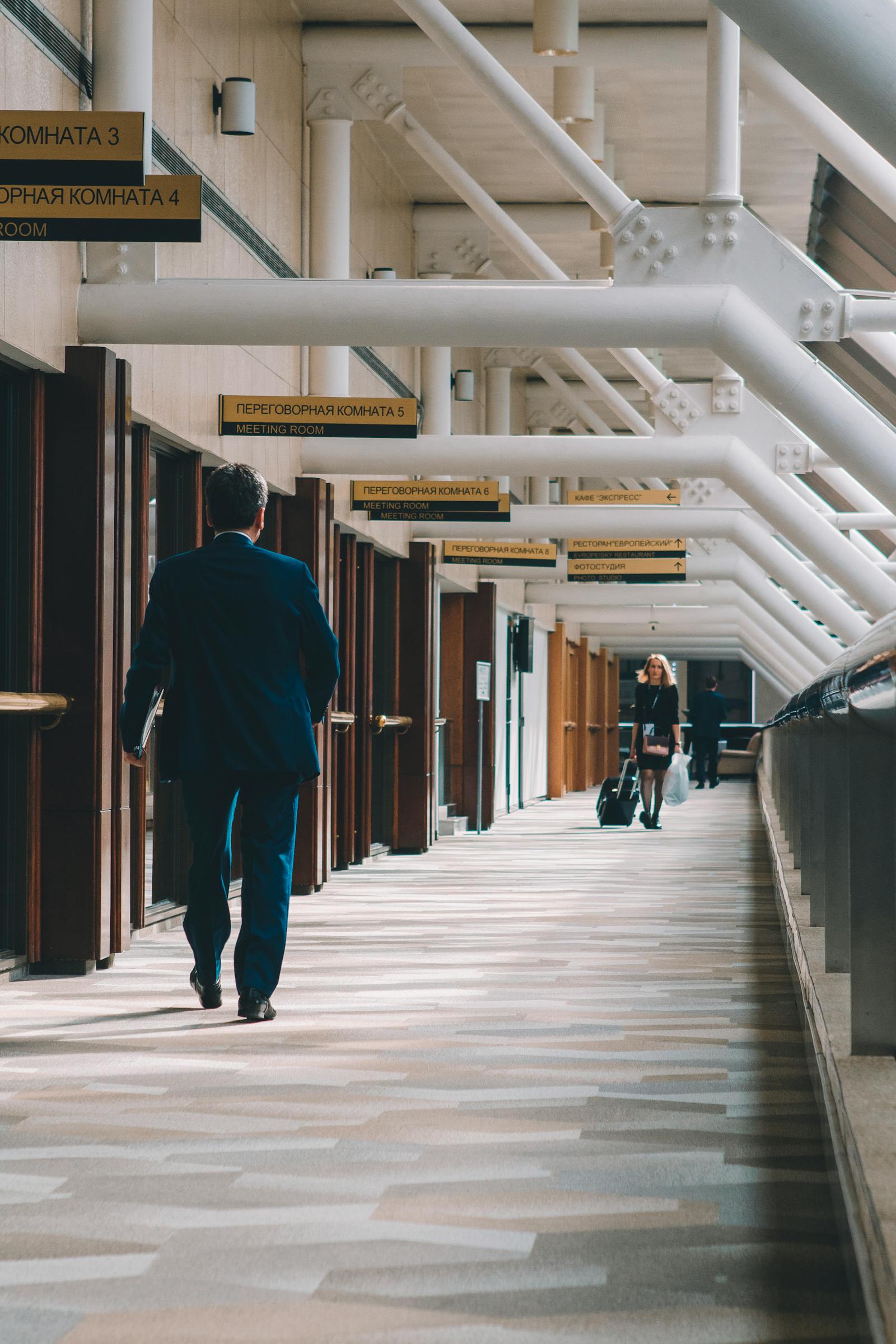 CANDID · observed moment
Pillar 04
Candid – the moment between moments.
Reportage from the edges – corridors, lifts, a phone glance before a meeting. Shot loose, never composed for the camera. Used sparingly: too many candids and the publication starts to feel like a paparazzi feed.
Tonal treatment
Slightly desaturated. Warm shadows, neutral mid-tones, never crushed blacks. Skin retains its colour. The look should read as photographed, not graded – a hint of film, never an Instagram filter.
house – default
−10 saturation, +8 warmth, lifted shadows. The standard look.
archive – mono
Archival material and editor pieces. Warm-toned grayscale.
duotone – feature
Cream + teal-700. Section openers and editorial covers only.
duotone – accent
Cream + orange-700. Annual covers, single-occasion use.
Crop ratios
Every commissioned image is delivered in all four crops. Surfaces use the ratio that matches their geometry – no smart-cropping at runtime, no off-ratio uses. Pre-cropping is the photographer’s call, made on the shoot.
21:9 · cinematic
Article hero, marketing banner, section opener.
16:9 · landscape
Index card, social share.
4:5 · portrait
Mobile hero, print, in-line portraits.
1:1 · square
Avatars, contributor thumbs, podcast art.
Captions and credits
Credit appears under every photograph – small caps, monospace, top-aligned with the caption. Captions are written, not generated, and never describe what’s already obvious in the frame.
Photography · [photographer] for Executive Support
[Subject], in [their office], the morning after [the moment].
Archive · [collection / agency]
[Place, city, year].
Usage rules
A photographer in the room. A real subject. Specific to this story, used nowhere else.
● Don't · Stock photography
Stock kills the publication. The subject is a model, the room is fake, the moment never happened.
● Do · Caption with a fact
“In her office, the morning after the deal closed.”
Where, when, what. A caption points at something the reader would otherwise miss.
● Don't · Caption the obvious
“A woman sitting at a desk.”
If the caption only describes the frame, delete it. Captions earn their place by adding fact.
